



The growth in infrastructure investment – increasingly driven by investment in data centres – has led to the asset class representing 10% of the total private markets universe today, according to Boston Consulting Group (BCG).
The firm’s fifth annual report on private infrastructure investment, released today, says that assets under management reached US$1.6trn (€1.38trn) in the first half of 2025, while fundraising rose almost 60% in 2025, setting a new record and recovering more strongly than other private asset classes.
The Infrastructure Strategy 2026: A Year of Increasing Scale and Diversification report shows that digital infrastructure was the only major sector to post considerable growth over the past five years and now accounts for almost 20% of all portfolio companies, up from 15% in 2020.
Within the segment, deal activity has shifted towards data centres, which represented 41% of digital deals in 2025, up from 26% a year earlier.
However, power availability and long grid-connection timelines are emerging as major constraints on future data centre development in key markets. As a result, expansion is moving beyond tier-one locations to tier-two and tier-three markets, as well as off-grid projects supported by dedicated power generation, the report said.
Wilhelm Schmundt, co-author of the report, said: “Private infrastructure has regained scale, but the shape of the market is changing. Investors continue to back the asset class for stable, reliable returns while directing more capital to the largest managers.”
Renewable energy cooling down
According to the report, energy and environment deal activity grew to 207 transactions in 2025, marked by a significant shift in composition. Processing and distribution now dominate the sector at 50% of deals, up about one-third in 2024, while conventional energy services rose from 10% to 18%.
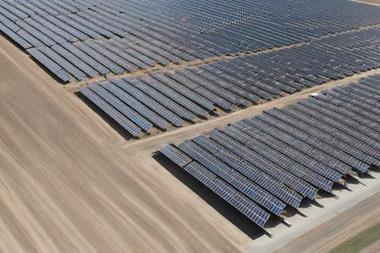
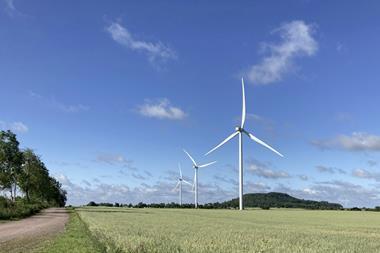
The growth came at the expense of renewables, which fell from a 42% market share in 2024 to just 22% in 2025. “Traditional wind and solar projects are facing mounting pressure from higher costs, weaker capture prices, and changing political, financial and regulatory support in many countries,” the report said. “At the same time, rising electricity demand and grid bottlenecks are increasing interest in conventional power, energy services and related infrastructure tied to data-centre growth.”
Alex Wright, co-author of the report, said: “One clear trend in 2025 is that digital infrastructure is increasingly inseparable from energy strategy. Power availability, grid connectivity and integrated energy solutions are becoming central to how investors assess data centres and related infrastructure opportunities.”
Read the full BCG Infrastructure Strategy 2026 report here.
To read the latest IPE Real Assets magazine click here.