



More than $6trn (€5.16trn) of investment is estimated to be required by the end of the decade to develop enough data centres around the world to meet the growing demand for cloud and AI computing. This would explain why major tech firms, private equity firms, infrastructure fund managers and major pension and sovereign wealth funds are piling into the rapidly expanding AI infrastructure market.
As we highlight in our special report, a virtual arms race to develop the next level of AI technology has triggered a parallel race between investors and asset managers to own the data centre platforms powering that growth. But the track ahead for the contenders in this race – which include most major institutional investors around the world – is littered with potential hurdles and obstacles.
Data centres are energy-intensive and the large hyperscale facilities demand energy at scale. The huge increase in demand for energy that would come from a multi-trillion-dollar buildout of data centres comes at a time when the world is seeking to reduce carbon emissions – in part by switching to cleaner energy sources, but also by using less energy, full stop.
Much of Europe experienced severe drought conditions this summer, and parts of the US have also suffered severely dry conditions. Many of the large facilities planned for the US are in water-stressed areas.
Combined, these two factors pose major risks to developers and investors. In Europe, it can become difficult to obtain permits for data centre development, while in the US, Erin Brockovich is now behind a campaign to push back against projects that threaten local communities, with a major focus on water.
There is a debate to be had about how thirsty data centres actually are. With new ‘closed loop’ technology, some argue that the impact of data centres on the water crisis is overstated – although this stance does not factor in indirect water use. There is some irony in the fact that any preliminary research on the topic of water use in data centres is likely to contribute to the problem, as the search-engine query fires up a water-cooled server somewhere in the world.
Some of the biggest pension fund investors in data centres include Canada Pension Plan Investment Board (CPP Investments), which two years ago acquired Asia-Pacific data centre platform AirTrunk alongside Blackstone for around $16bn. It also holds stakes in data centre platforms EdgeConnex and Equinix. This summer it committed to invest up to INR70bn (€640m) in Indian data centres with local operator CtrlS.
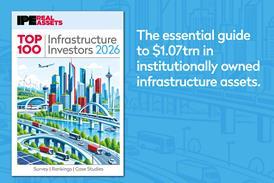
CPP Investments leads this year’s top 100 infrastructure investors, our ranking of pension funds, sovereign wealth funds, insurers and other institutional capital owners active in the asset class. The total value of infrastructure held by this group has nearly tripled in size in just under a decade, from $360bn in 2017 to $1.07trn today.
With more than 40% of institutional investors surveyed by IPE Real Assets expecting to increase their allocations to infrastructure in the next 18 months, this figure is expected to continue to climb next year. And data centres are expected to be a beneficiary of that. Digital infrastructure was the second-most cited investment target, according to the survey, coming joint second with transport after energy transition.
Richard Lowe, Editor-in-chief