

In running to be mayor, Zohran Mamdani was crystal clear. “New York City can’t be the greatest city in the nation if people can’t afford to live here,” calling to “freeze the rent for rent-stabilised tenants.”
This fight is now moving from slogan to policy. Mamdani appointed a new majority to the Rent Guidelines Board (RGB), the main vehicle for deciding rents, and announced the board would review economic conditions, vacancy rates, tenants’ ability to pay and tenant’s testimony. A clear hint where the process should be heading. Last month the first vote moved in his direction.
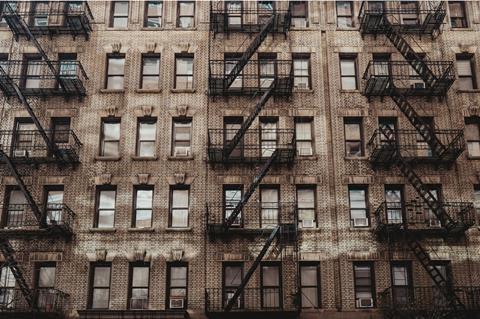
Mamdani’s core political logic is immediate relief for roughly one million rent-stabilised homes. But that’s a huge chunk of the rental stock, 44% according to the mayor himself, and the industry response has been blunt.
Barry Sternlicht, chairman and CEO of Starwood Capital, warned it would weaken confidence in ownership, and deter development. In a CNBC interview, he went further. “The far left gets really nuts and says the tenants don’t have to pay. Well, you can’t kick them out if they don’t pay. So the neighbour finds out the neighbour isn’t paying, and they don’t pay, and the next guy doesn’t pay, and then you’re basically going to turn New York City into Mumbai”.
At the very least, real estate leaders could see the freeze as a threat to maintenance and new investment, because rent-stabilised buildings still face rising taxes, insurance, labour and repair costs even when rents are held flat.
The Real Estate Board of New York argues that the 2019 rent-law produced just such negative economic effects. NYC’s affordable housing players include Blackstone, Brookfield Properties, Pinnacle Realty of New York and SL Green Realty.
What happens next depends on how aggressively the RGB uses its authority. If it votes for a freeze, owners of marginal buildings could face tighter cash flow. If it sets only a small increase, Mamdani will likely face criticism from his base. Either way, the central fight is now about who pays for affordability: tenants or landlords.
This news briefing was published earlier this week. If you would like to receive it regularly, on your ‘IPE Real Assets profile’, go to ‘My Newsletters‘ and select any from the list.
To read the latest IPE Real Assets magazine click here.