



Australia will apply a retrospective capital gains tax (CGT) from 2006 on foreign investors selling property-related assets in the energy, mining and infrastructure sectors to help address its projected A$1trn (€605.8bn) budget deficit this year.
The move to impose the 30% CGT retrospectively has come as a big surprise to non-Australian investors, including foreign sovereign wealth funds, with warnings of adverse impact on the country’s standing with external investors.
Australia’s federal treasurer, Jim Chalmers, is under pressure to reform the nation’s tax system, and he is expected to announce in the May budget the paring back of generous tax concessions, including CGT exemptions, for real estate investors.
Chalmers has released draft legislation to strengthen the foreign resident CGT regime, giving those affected just two weeks to make their submissions.
In his statement, Chalmers said these reforms will ensure foreign residents pay a fair share of tax in Australia while providing generous concessions for investments in renewable energy.
These reforms, first announced in the 2024–25 Budget, address an area of longstanding uncertainty by confirming that CGT applies to foreign investors selling assets with a close economic connection to Australian land and natural resources, said the treasurer.
The government will provide a time-limited, targeted concession in the foreign resident’s CGT regime for investment in the renewables sector, helping support our clean energy objectives, he said.
The sale of renewable energy assets will be taxed at a concessional rate of 15% until the permanent 30% rate begins in 2030.
Chalmers said this concession supports Australia’s climate action while ensuring the tax treatment of these assets matches other assets over time. The government has also worked with the renewable energy sector to balance investment incentives with fair taxation for foreign investors, he added.
Lawyers argue that the government’s action contradicts two recent Federal Court decisions regarding Newmont Mining and a leading Malaysian infrastructure and energy group YTL, which found the tax inapplicable to the land where the Newmont goldmine and the leased land used by YTL’s electricity transmission were located.
Leading national law firm Herbert Smith Freehills Kramer said, if enacted, the changes would represent a “material expansion” of the Australian tax base for non-residents. It describes the proposal to tax capital gains retrospectively as “alarming”.
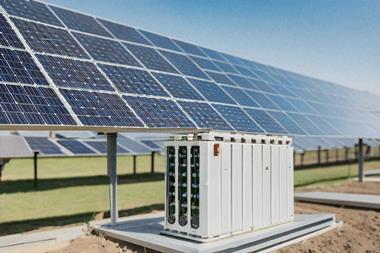
The firm said the changes will bring in three investment categories within the scope of taxable Australian real property. These will include wind turbines, solar panels, batteries and mining equipment.
Other investments that will be affected include underlying real property such as tenant fixtures, electricity transmission and distribution networks and pipelines.
The last category is the licences of land, which could potentially impact securitised licence public-private-partnership structures.
To read the latest IPE Real Assets magazine click here.