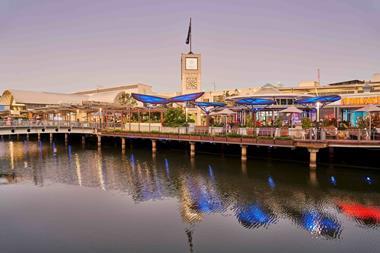



Florida-based BGO came close to owning a slice of prime Australian real estate last year, only to see its ambitions thwarted by an incumbent investor with rights already embedded in the asset. BGO, now a core subsidiary of SLC Management, the alternative asset management arm of Sun Life, was part of a consortium led by Investa Property seeking to acquire a 75% stake in Grosvenor Place, a blue-chip Sydney office tower, from Blackstone in a A$1.35bn (€831m) transaction.
But the Commonwealth Superannuation Corporation (CSC), an existing co-owner, exercised its pre-emptive rights to acquire the stake, shutting out the Investa-BGO consortium.
The episode offers a glimpse into a largely opaque but important feature of Australia’s institutional investment landscape: pre-emptive rights that allow incumbent investors to increase ownership when co-investors decide to sell. In theory, Australia’s infrastructure and institutional property assets are traded in open markets. In practice, many sit inside tightly held ownership circles where superannuation funds and long-term institutional investors retain powerful contractual advantages.
The increasing frequency of exercising pre-emptive rights also points to a structural shift in Australia’s investment landscape: super funds are increasingly behaving less like passive investors and more like strategic owners seeking greater control over assets they already know well. Such rights – which can take the form of first-right-of-offer clauses, rights of first refusal on transfers or ‘drag and tag’ provisions – are embedded in the shareholder agreements governing many of Australia’s most coveted infrastructure and property assets.
The structures are especially prevalent in wholesale real estate funds, club-style ownership vehicles and infrastructure consortiums. Superannuation funds, including AustralianSuper, Aware Super, UniSuper and REST have frequently increased holdings in prime assets through these mechanisms. Some prefer to buy out existing partners rather than pursue competitive auctions.
The same logic applies even more strongly in infrastructure, where ownership structures are tightly held and assets are typically owned for decades. Airports, ports, toll roads and utilities increasingly resemble private clubs, dominated by super funds, sovereign wealth investors and specialist infrastructure managers.
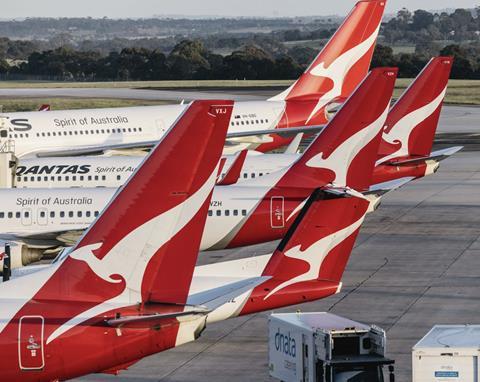
An example of the aggressiveness of incumbents is now playing out publicly in one of Australia’s most contested infrastructure disputes. Dexus, which attempted to sell a 9.7% stake in Australian Pacific Airports Corporation (APAC), owner of Melbourne and Launceston airports, was sued by incumbent investors led by IFM Investors and NSW Treasury agency, TCorp, for allegedly breaching shareholder agreements governing transfer rights.
In late May, Dexus lost the case in the Supreme Court, and depending on appeal, it may be forced to sell its interests, said to be valued at between A$4bn and A$4.5bn, to incumbent investors. If completed, it would rank among the largest examples of incumbents consolidating ownership in Australian infrastructure.
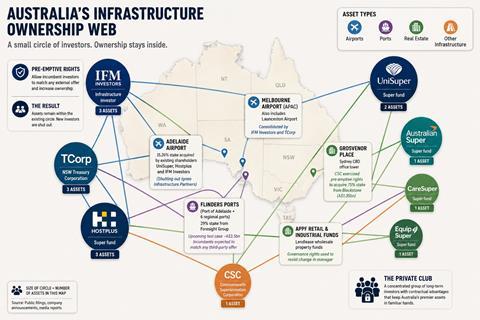
According to court filings, as many as 18 prospective bidders reviewed information on the Dexus stake, including major sovereign wealth funds and infrastructure investors. Among those reported to have engaged were Singapore sovereign wealth fund GIC and Abu Dhabi’s Mubadala. For those prospective buyers, the outcome has proved frustrating – substantial resources have been committed to due diligence only for incumbent owners to assert their contractual rights. A similar pattern emerged at Adelaide Airport last year. Rather than admitting a new investor, existing shareholders, including UniSuper, Hostplus and IFM Investors, exercised their pre-emptive rights to acquire Igneo Infrastructure Partners’ 15.26% holding.
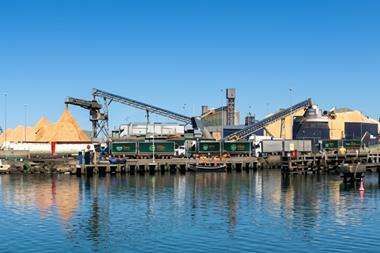
Flinders Ports may provide the next test case. London-based Foresight Group is selling its 29% stake in Flinders Ports Holdings that operates the Port of Adelaide and six small regional ports, valued at around A$3.5bn. But incumbent super fund shareholders, including Hostplus, CareSuper, Equip Super and NSW State Super/TCorp, can be expected to exercise their rights and may match any third-party offer.
Why the APPF coup failed
In real estate, the pattern is less visible but no less important. Institutional wholesale funds owning premium office towers and logistics assets often contain similar provisions, allowing existing investors to quietly increase ownership when partners exit. Market participants say such transactions frequently occur behind closed doors with limited disclosure.
After COVID-19, billions of dollars of real estate secondaries became available in Australia’s large wholesale property funds. Few come into the open market as they were mostly taken up by other unitholders. The battle last year over management of Lendlease’s APPF Retail and industrial property funds also highlighted how embedded rights can frustrate change. Hostplus sought to remove Lendlease as manager and replace it with Mirvac, but the proposal ultimately failed amid resistance from co-investors with governance rights embedded in fund structures.
Protecting stability or killing competition
Supporters of these arrangements argue they protect long-term stewardship and allow owners with deep familiarity of an asset to maintain stability. Critics see something different. They say the consequences for outsiders can be costly. Prospective investors may spend months assessing opportunities, reviewing documentation, engaging advisers and participating in sale processes, only to discover incumbents possess contractual rights allowing them to match the winning bid and keep ownership within the existing circle.
They argue such provisions reduce competitive tension, discourage fresh capital and deter prospective buyers from participating in auctions where incumbents can effectively ‘free ride’ on price discovery.
Outside investors often bear the cost of valuation work, negotiations and diligence, only for existing owners to match the negotiated terms. The complaint is increasingly familiar in infrastructure circles: by the time a prized asset reaches market, incumbents may already hold the trump card.
To read the latest IPE Real Assets magazine click here.