


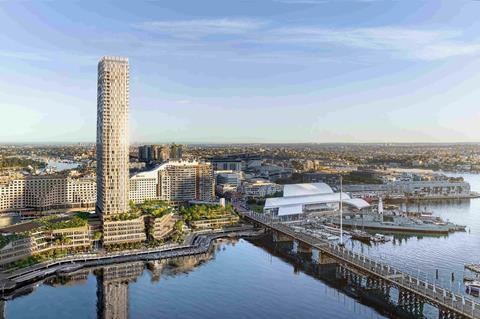
In September, Mitsubishi Estate Asia acquired a 50% stake in Mirvac’s A$2.3bn (€1.3bn) harbour-front mixed-use project, bringing its cumulative investment in Australia to ¥1.7trn (€9.83bn).
Mitsubishi Estate, leads the pack in offshore investment, followed closely by Mitsui Fudosan, Daiwa House, Seikisui House and other big names. But what is interesting is that a new generation of investors is starting to make its presence felt.
These are led by the real estate arms of Japanese railway companies. Perhaps, this should not surprise as most railway operators have experience owning hotels and other real estate. The latest arrivals in Australia are West Japan Railway (JR West) and Sagami Railway. They have co-invested in a residential project in Sydney with Investa.
Kenichi Kosuga, executive officer and general manager of the overseas business department at West Japan Railway, said his company plans to explore further opportunities for joint ventures in Australia.
Odakyu Electric Railway was the first Japanese railway company to enter the Australian market four years ago when it participated in a residential subdivision in Boxhill, in north-western Sydney with Daiwa House. In May this year, Odakyu invested in a fund, managed by Mitsubishi Estate which acquired Australia newest and tallest office building, SalesForce Tower, in Sydney’s Circular Quay.
Hankyu Hanshin Properties, an associate company of Hanshin Electric Railway, is invested in an ESR fund with Malaysian pension group KWAP. Then, there are real estate companies, such as Daibiru and Kanden Realty and Development.
Justin Bond, Knight Frank partner and head of capital markets for Queensland, said: “Many of these Japanese investor groups are looking to buy a stake in an existing asset and partner with local managers. Their investment horizon is around five years, and they are generally looking for core-plus opportunities. Well-located CBD properties with good amenity and public transport are the most sought after, and they are looking to deploy capital from A$10m up to A$200m.”
Knight Frank chief economist Ben Burston added: “Japan’s rapidly shrinking population is limiting the prospects for income and land-value growth in the domestic market, so investors are focused on diversifying their portfolios globally and view Australia as particularly attractive.
“There is a sense of urgency to take steps to deploy capital in faster growing economies, partly due to 2023 Tokyo Stock Exchange reforms that have placed more pressure on corporates to generate better returns.”
This news briefing was published earlier this week. If you would like to receive it regularly, on your ‘IPE Real Assets profile’, go to ‘My Newsletters‘ and select any from the list.
To read the latest IPE Real Assets magazine click here.